
Comparing Flat Roof vs. Sloped Roof for Commercial Buildings
Choosing the right roof system for your commercial building in Columbus, Ohio isn’t just about appearance. The roof design you choose can affect how well your building handles weather, how much you spend on upkeep, and how long your roof lasts.
Two of the most common choices for a commercial roof are flat roofs and sloped roofs. Each style has its own roof advantages and roof disadvantages, and they perform differently in areas with snow, heavy rain, and changing temperatures.
In this blog, we’ll compare flat and sloped roofs in terms of cost, durability, maintenance, and more. Whether you’re building new or replacing an existing roof, knowing more about the pros and cons of flat roofing and sloped roofing can help you make the right decision for your building.
Overview of Flat Roofs
Slight Slope for Drainage
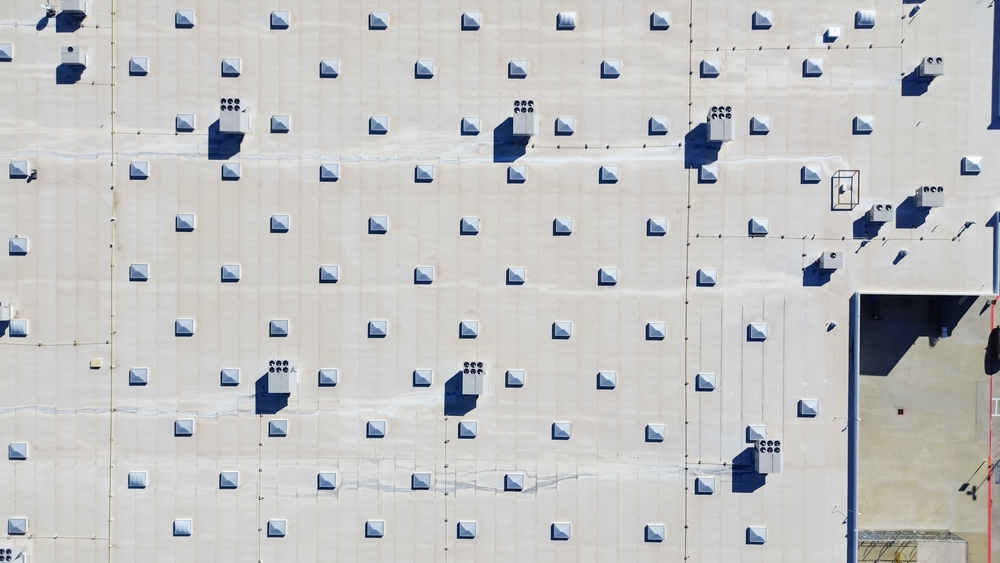
Despite the name, flat roofs aren’t perfectly level. They have a small slope that directs water toward drains or gutters. This design makes them practical for large buildings with wide spans, like warehouses, shopping centers, and multi-story offices.
Common Materials
Typical materials for flat roofing include EPDM rubber, TPO, PVC, and modified bitumen. These choices offer a range of durability levels and price points, and they work well with rooftop equipment like HVAC units or solar panels.
Advantages of Flat Roofing
One of the biggest roof advantages of a flat roof is cost. Installation is often less expensive than many sloped roofing options, making it a budget-friendly choice for large-scale projects. The flat surface also makes inspections and repairs easier and faster.
Drawbacks of Flat Roofs
A common roof disadvantage is the need for more maintenance. Without the natural slope of pitched roofs, flat surfaces are more prone to pooling water, which can lead to leaks or structural problems over time. This makes regular inspections especially important.
Overview of Sloped Roofs
A Noticeable Pitch
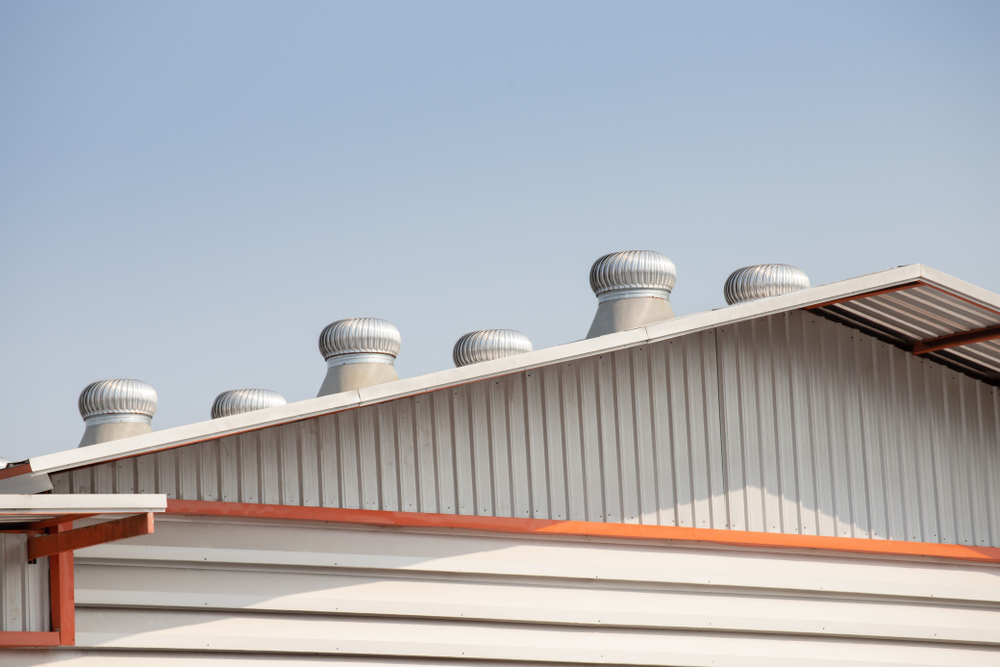
Sloped roofs are designed with a noticeable pitch that allows water and snow to run off naturally. A sloped commercial roof works well for buildings that need extra drainage capacity or have a style preference for a pitched profile.
Common Materials
Popular materials for sloped roofing include metal panels, asphalt shingles, slate, and clay tile. These options vary in price, durability, and appearance, and many are well suited to handle Ohio’s rain, snow, and sun.
Advantages of Sloped Roofing
A major roof advantage of sloped roofs is their ability to shed water quickly, which can reduce the risk of leaks and ice dam problems in winter. The pitched shape also offers a more traditional appearance that may fit your roof design goals.
Drawbacks of Sloped Roofs
One roof disadvantage of pitched roofs is the higher installation costs compared to many flat roofing systems. Maintenance and repairs can also be more expensive because the slope makes access more difficult.
How Flat Roofs and Sloped Roofs Perform in Different Areas
Cost
The cost of a roof depends on several factors, including size, materials, and labor. In most cases, flat roofs are less expensive to install than sloped roofs. The simpler roof design of flat roofing requires fewer materials and less time to install, which can lower your first bill for a commercial roof.
However, long-term costs can shift the picture. Flat roofs often require more maintenance and repairs to prevent pooling water from causing damage. Sloped roofing can have higher upfront costs, especially for pitched roofs with premium materials like metal or slate, but they can last longer with fewer issues if you take care of them properly.
Durability & Lifespan
Both flat roofs and sloped roofs can be durable, but their performance depends on the design and materials. Flat roofs can last 20 to 30 years when made with quality materials and given regular upkeep. They are more likely to experience problems from pooling water, which can shorten their lifespan if ignored.
Sloped commercial roofs, including pitched roofs, generally shed water and snow better, reducing your risk of leaks. With proper upkeep, sloped roofing made from metal, tile, or other high-quality products can last 40 years or more.
Weather also plays a big role in how long a roof lasts. Columbus winters can be tough, so both flat roofing and sloped roofing benefit from seasonal inspections and repairs.
Drainage & Water Management
This is one biggest differences between flat roofs and sloped roofs. Flat roofs use drains, scuppers, or gutters to move water off the surface. Because the slope is minimal, these roof systems need to be kept clear of debris to prevent pooling, which can lead to leaks.
Sloped roofing just uses gravity to shed water. This makes it less likely for moisture to sit on the surface, which can reduce water issues. With sloped commercial roofs, gutters and downspouts still play a role, but the roof design itself does most of the work in moving water away from the building.
In Columbus, where we get a lot of rain and snow, drainage performance is important. Poor drainage can lead to more frequent repairs and even higher insurance rates.
Energy Efficiency & Insulation
The type of roof you choose can also affect your building’s energy use. Flat roofing can make it easier to add extra insulation. It also allows for reflective coatings or light-colored materials that reduce heat absorption in summer.
Sloped roofing can offer strong insulation as well, especially when paired with high-quality materials like metal panels or shingles designed to reflect heat. The natural pitch of pitched roofs also creates attic space that helps with ventilation, which may reduce your energy costs. Both flat roofs and sloped roofs can be designed for efficiency, but the approach depends on the structure.
Maintenance Needs
Both flat roofs and sloped roofs require regular maintenance to stay in good condition, but the work involved can be very different. Flat roofs are easier to walk on, which makes inspections and small repairs quicker and safer. However, because water can collect more easily, flat roofs often need more frequent checks to catch problems early.
Sloped roofing may not need as many inspections, but when you need work, it’s more complicated. The pitch makes access harder, so even simple repairs might cost more. In both cases, cleaning gutters, checking for damage after storms, and addressing small issues right away can help you keep long-term costs down for your commercial roof.
Aesthetics & Design
Your roof design influences the look and style of your commercial building. Flat roofing gives a modern, streamlined appearance that works well with contemporary architecture. It also lets you add rooftop features like gardens, patios, or equipment storage without affecting your building’s profile.
Sloped commercial roofs, including pitched roofs, offer a more traditional or decorative look. They can be finished with many different materials, colors, and textures to match the rest of your building. For businesses where curb appeal is important, the design flexibility of sloped roofing can be a major roof advantage.
Which is Right for Your Building?
Flat Roofing vs. Sloped Commercial Roofing
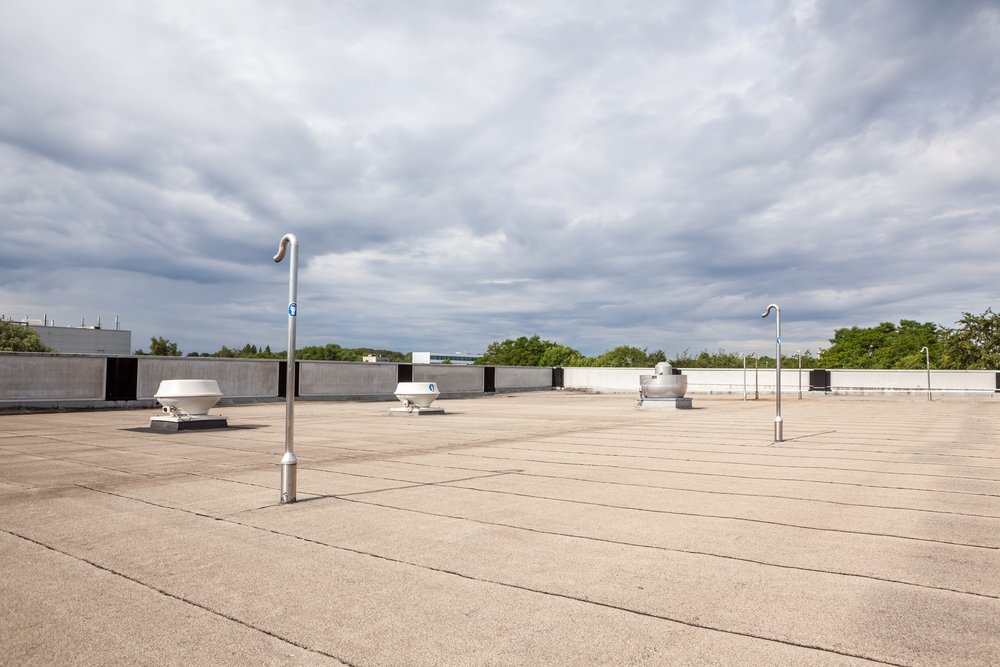
Choosing between flat roofs and sloped roofs comes down to your building’s needs, budget, and style preferences. If you want lower upfront costs and easy access for maintenance and repairs, flat roofing may be the better choice. It also works well for large commercial building layouts and can support extra rooftop features.
If long-term durability, quick water drainage, and a traditional look are your priorities, a sloped commercial roof might be worth the higher initial investment. Pitched roofs and sloped roofing can last longer and may reduce certain roof disadvantages tied to pooling water or heavy snow.
Contact DeMarco Inc. Today
Both flat roofs and sloped roofs have strengths and challenges. The right choice depends on your roof design goals and how much you’re willing to spend on installation and maintenance.
Contact us today if you’re planning a new roof or looking to replace your current roof. Our team can help you weigh the roof advantages and roof disadvantages for your project in Columbus.